
Optimal Timing for Material Gradings
Gradings are an essential process in evaluating the quality and consistency of materials, products, or services. They are typically conducted at specific intervals to ensure standards are maintained and improvements are identified. The timing of gradings can significantly impact the accuracy and usefulness of the results.
Gradings are often most effective during specific seasons when environmental conditions are stable, reducing variability in results.
Conducting gradings after production peaks helps in assessing product consistency and quality control.
Performing gradings before shipment ensures products meet quality standards and reduces returns or complaints.
Aligning gradings with maintenance schedules minimizes disruptions and ensures equipment is in optimal condition.

Image depicting a technician inspecting materials during grading.

Image showing a quality control professional reviewing graded items.

Image of sorted materials ready for grading assessment.

Ways to make Gradings work in tight or awkward layouts.

Popular materials for Gradings and why they hold up over time.

Simple add-ons that improve Gradings without blowing the budget.
| Timing Aspect | Details |
|---|---|
| Seasonal Timing | Gradings are best during stable weather conditions to reduce variability. |
| Post-Production | Assess quality after production runs to ensure consistency. |
| Pre-Delivery | Schedule before shipment to verify standards are met. |
| Maintenance Alignment | Coordinate with maintenance for accurate assessments. |
| Market Cycles | Match gradings with demand peaks for optimal product readiness. |
| Environmental Stability | Choose periods with minimal environmental fluctuations. |
| Operational Schedules | Integrate with regular operational timelines to avoid disruptions. |
Gradings are a vital part of quality assurance, providing insights into the consistency and standards of materials or products. They involve systematic evaluation processes that can influence production schedules, inventory management, and customer satisfaction. Proper timing ensures that gradings deliver accurate, actionable results, supporting continuous improvement efforts.
Statistics indicate that conducting gradings during periods of environmental stability and after significant production phases enhances the reliability of assessments. Regularly scheduled gradings help identify deviations early, facilitating timely corrective actions and maintaining high standards across operations.

Image showing detailed grading documentation and charts.

Photo of a team conducting grading evaluations.

Image of tools and equipment used in grading processes.
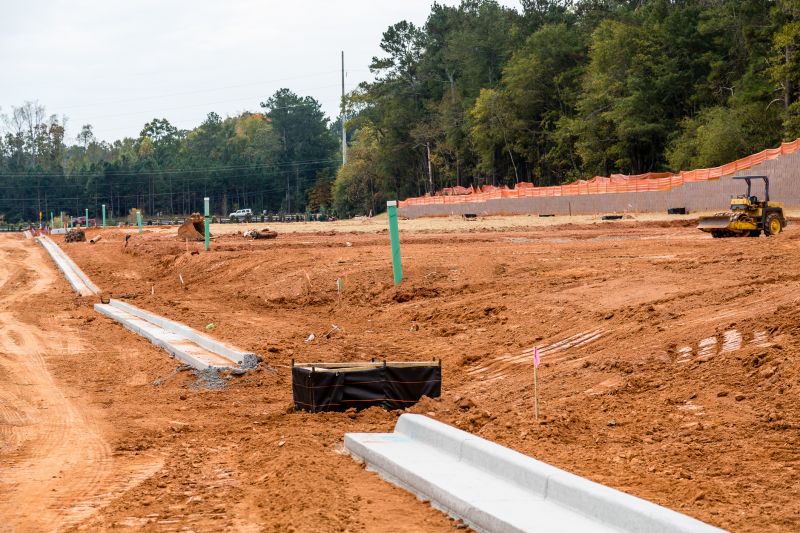
Image of a final grading inspection being performed.

High-end options that actually feel worth it for Gradings.

Finishes and colors that play nicely with Gradings.

Little measurements that prevent headaches on Gradings day.

A 60-second routine that keeps Gradings looking new.
Interested parties are encouraged to contact for further information about scheduling gradings or to discuss specific requirements. Proper timing can optimize results and support ongoing quality management efforts.